

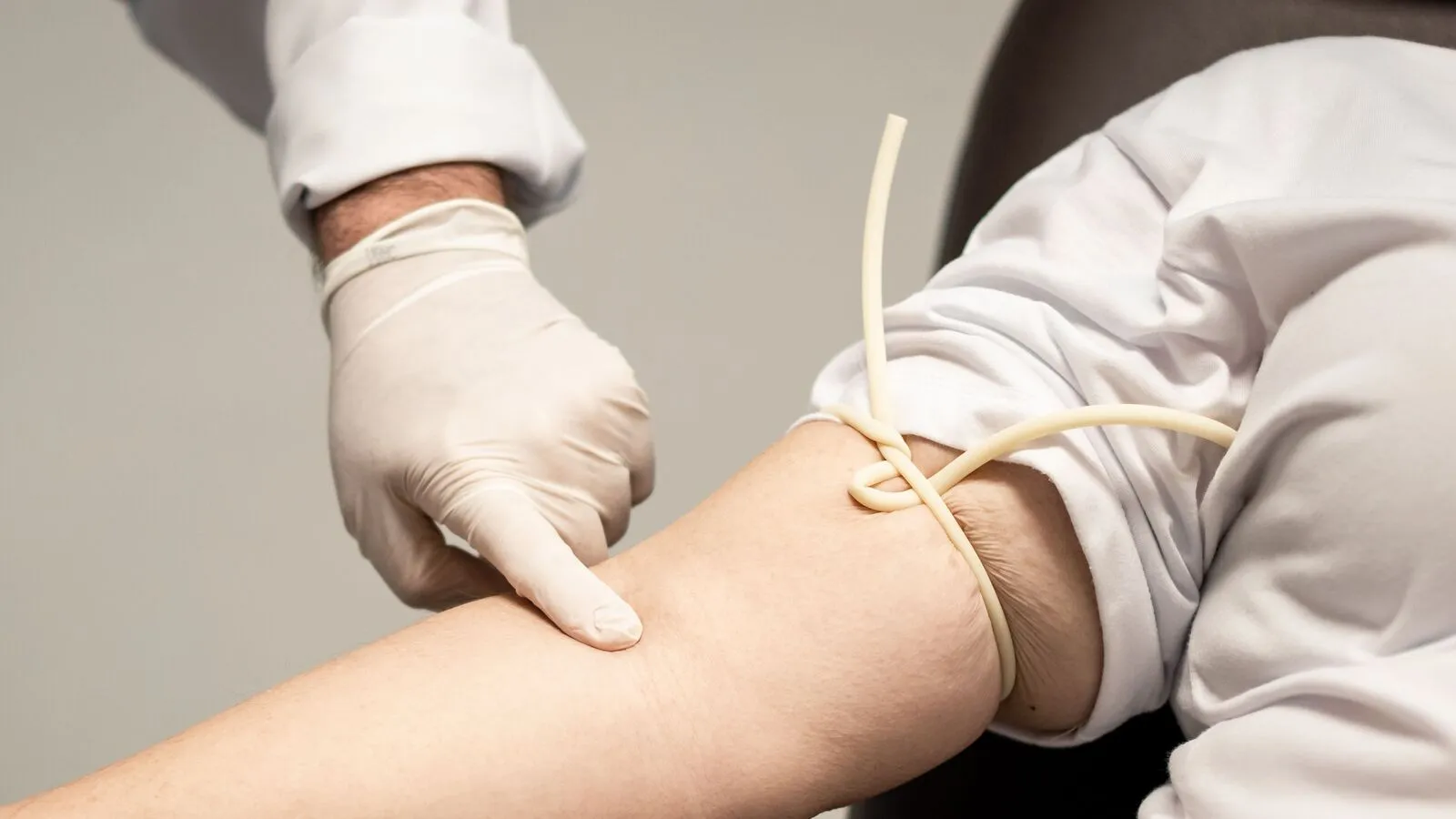
 TRT blood work schedule: what to test and when
 How to read testosterone lab results, line by line
 Normal testosterone levels by age: a guide to total T
 Free vs total testosterone: what each test tells you
 SHBG on TRT: what it is, what moves it, what it means
 Estradiol on TRT: why it rises and how it's measured
 High hematocrit on TRT: what it means and what affects it
 PSA on TRT: how much it rises and when it matters
 TRT cholesterol: what testosterone does to your lipids
 LH and FSH on TRT: why they fall and what they show
 Ferritin on TRT: iron stores, donation and what to watch
What TRT blood work do you need?
Guidelines call three tests routine on TRT: testosterone, hematocrit and, for men who choose prostate monitoring, PSA. The Endocrine Society checks testosterone and hematocrit 3 to 6 months after starting, then once a year. It also builds a prostate check into the first year.
Everything else is checked when there is a reason. Estradiol is checked for breast symptoms. Free testosterone and SHBG are added when the total is hard to read.
LH and FSH matter at diagnosis or when fertility is a concern. Cholesterol is mentioned on drug labels.
Your prescriber decides your exact plan. This page explains what each test is for. Each marker also has its own full page.
Why do you need blood work on TRT?
Blood work answers two questions on testosterone therapy. Is the treatment doing what it should? And is it causing a problem you cannot feel?
The first is about testosterone itself. Has your level reached the range your prescriber is aiming for? The Endocrine Society aims for the mid-normal range on treatment.
The second is about safety. Testosterone raises red blood cell production, can change PSA and can affect cholesterol and fertility. Most of these changes cause no symptoms until they are well advanced.
Most of the changes blood work looks for cause no symptoms until they are well advanced. That’s why the tests matter even when you feel fine.
Safety data have also changed in recent years. The TRAVERSE trial followed 5,246 men aged 45 to 80 with heart disease or high heart risk. Testosterone gel was not worse than placebo for major heart events.
But some problems were more common on testosterone. These were atrial fibrillation (an irregular heartbeat), acute kidney injury and pulmonary embolism (a blood clot in the lung).
In 2025 the FDA asked makers to add those results to all testosterone labels. It also removed boxed-warning language about heart risk and expanded the blood pressure warnings. Monitoring is how these risks are watched in everyday care.
Which TRT labs are routine and which are as needed?
The table sorts each test by what the guidelines and FDA labels say. “Routine” means a guideline lists it in its monitoring plan. “As needed” means it is checked for a specific reason.
| Marker | What it measures | When guidelines check it | Status | Our guide |
|---|---|---|---|---|
| Total testosterone | All testosterone in the blood | 3–6 months after starting, then yearly (Endocrine Society); every 6–12 months once stable (AUA) | Routine | Total testosterone |
| Hematocrit | Share of blood that is red cells | Before starting, 3–6 months, then yearly; limit 54% | Routine | Hematocrit |
| Hemoglobin | Oxygen-carrying protein in red cells | With hematocrit on a blood count | Routine | Hematocrit and hemoglobin |
| PSA | A prostate protein | Before starting in men over 40 (AUA); at 3–12 months in men who choose monitoring (Endocrine Society) | Routine for screened men | PSA |
| Estradiol | The main estrogen | With breast symptoms or enlargement | As needed | Estradiol |
| Free testosterone | The unbound share of testosterone | When total is borderline or SHBG is unusual | As needed | Free testosterone |
| SHBG | The protein that binds testosterone | To calculate free testosterone; with high hematocrit and low-normal testosterone | As needed | SHBG |
| LH and FSH | Pituitary signals to the testes | At diagnosis; FSH when fertility matters | Diagnosis | LH and FSH |
| Lipids | Cholesterol and triglycerides | Not in guideline plans; one current label says to monitor | Label-based | Lipids |
| Ferritin | Iron stores | Not a routine TRT test; the AUA names iron studies in the work-up of low testosterone | As needed | Ferritin |
| Prolactin | A pituitary hormone | At diagnosis if LH is low or normal; one label adds a recheck | Diagnosis | covered below |
| Bone density | A DXA scan, not a blood test | After 1–2 years in men with osteoporosis | As needed | covered below |
What hormone tests are checked on TRT?
Total testosterone
This is the core test. It shows whether treatment has moved your level where your prescriber wants it. The Endocrine Society checks it 3 to 6 months after starting, then yearly, and aims for the mid-normal range.
The AUA does a first follow-up check soon after starting. After that, it checks every 6 to 12 months.
On injections, timing matters. Testosterone is highest soon after a shot and lowest just before the next one. For cypionate and enanthate shots, the Endocrine Society measures midway between injections.
The total testosterone page covers normal levels by age, units and why labs differ.
Free testosterone and SHBG
Most testosterone is bound to proteins in the blood, mainly SHBG and albumin. Only about 2% is free. When SHBG is unusually high or low, the total can mislead.
So the Endocrine Society adds free testosterone in that case. It also adds it when the total is near the lower limit of normal.
On treatment, the AUA suggests measuring SHBG and free testosterone in one case: when hematocrit is high but testosterone is low-normal. It asks for a reliable test method.
Free testosterone comes from three very different tests, each with its own range. The free testosterone page explains them, and the SHBG page covers what raises and lowers that protein.
Estradiol
Estradiol is the main estrogen. In men, most of it is made from testosterone, and it usually rises on TRT. In a comparison of gels, injections and pellets, it rose with every form.
The AUA measures it in men with breast symptoms or breast enlargement. It checks before and during treatment, not in everyone.
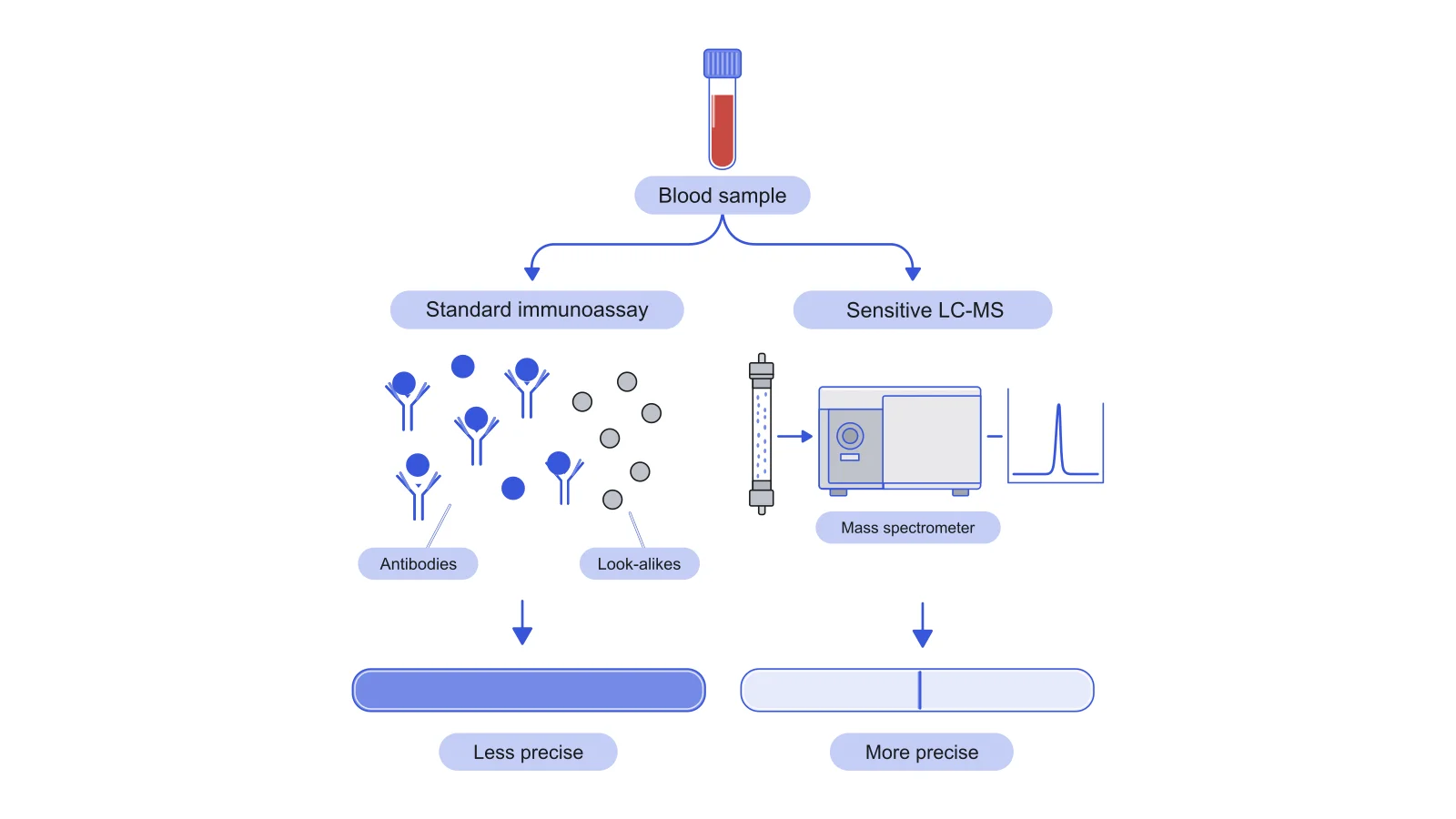
Men’s levels are low, and many standard tests are not accurate at those levels. The Endocrine Society says current methods cannot measure the very low levels that matter in many tissues routinely, accurately or precisely.
Most direct immunoassays (the common, cheaper lab tests) cannot measure reliably as low as men’s levels. Even mass spectrometry (LC-MS/MS), the more exact method, can struggle at the lowest levels. The estradiol page explains what it does in men and how to read it.
Why is hematocrit the lab prescribers watch most?
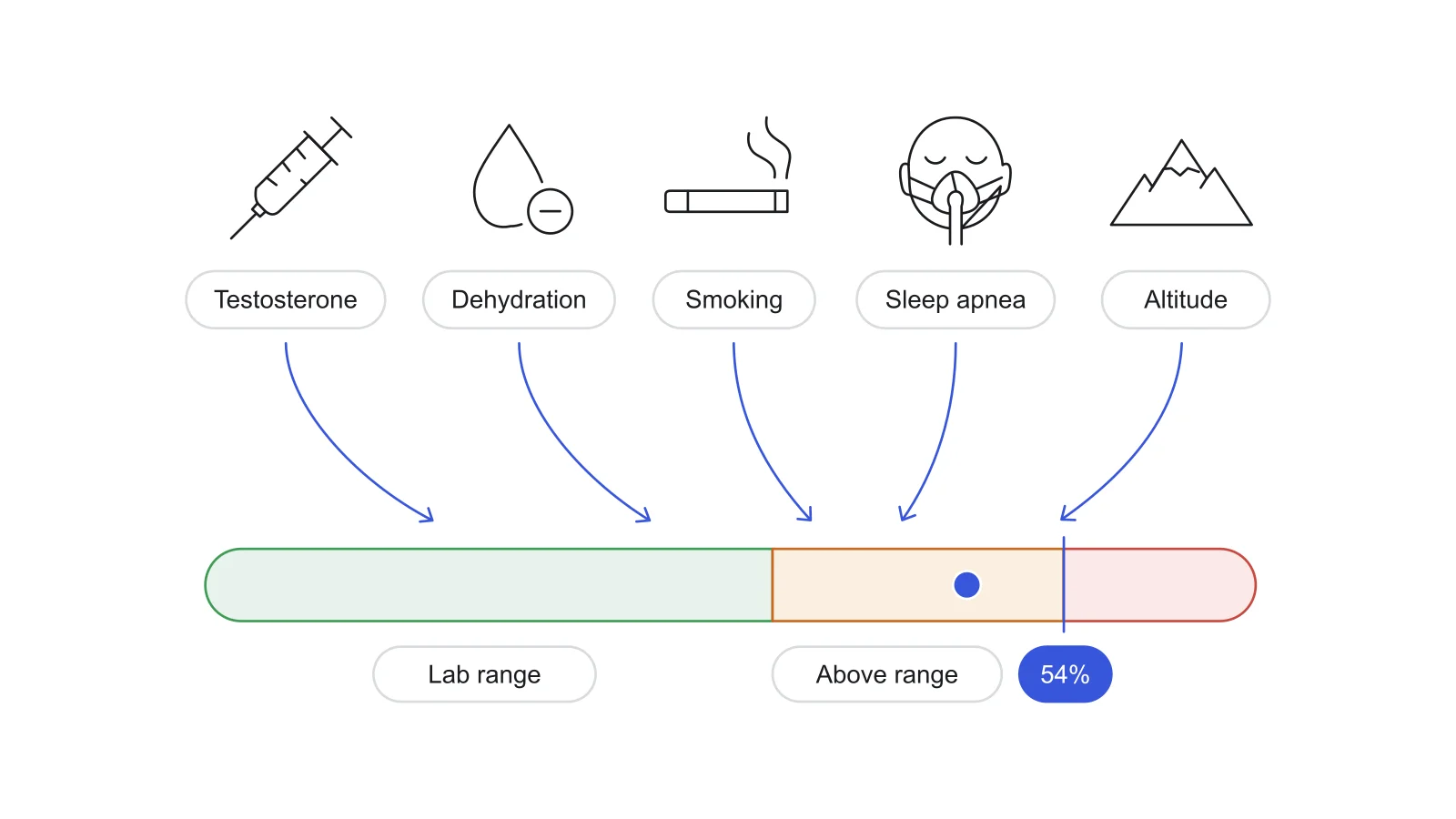
Hematocrit is the share of your blood made up of red cells, and testosterone pushes it up. A rise in hemoglobin and hematocrit is the most common side effect of testosterone seen on lab tests. A review of 51 studies found hematocrit rose by about 3 percentage points on average.
The rise is larger on injections. One review followed the records of 178 men for three years. Hematocrit went above 50% in 67% of men on injections, 35% on pellets and 13% on gels.
The men on injections were younger and started with higher hematocrit. So the gap is not a clean comparison.
Both guidelines treat a hematocrit of 54% on treatment as the limit. The Endocrine Society says to stop therapy above 54%, and the AUA aims to keep it below 54%. The cypionate label asks prescribers to check hemoglobin and hematocrit from time to time in long-term use.
The hematocrit page covers the thresholds, what else raises it and how to prepare for the test.
What about hemoglobin?
Hemoglobin is the protein in red cells that carries oxygen. It is reported on the same blood count and usually moves with hematocrit, and the AUA pairs the two. It has no page of its own, because the hematocrit page covers both.
How is PSA monitored on TRT?
PSA (prostate-specific antigen) is a protein made by the prostate. The AUA measures it before starting in men over 40.
The Endocrine Society offers prostate monitoring to men aged 55 to 69. It also offers it to men aged 40 to 69 at higher risk. That means PSA and a prostate exam before starting and again at 3 to 12 months.
After that, monitoring follows regular prostate screening. In the first 12 months, the Endocrine Society advises a urology referral for any of these:
- a confirmed rise of more than 1.4 ng/mL
- a confirmed PSA above 4.0 ng/mL
- an abnormal prostate exam
- much worse urinary symptoms
The current label for one cypionate product asks prescribers to check for prostate cancer before and during treatment. PSA usually rises a little in the first year, then levels off. The PSA page covers how much, what else moves it and what the largest trial found about prostate cancer.
Why are LH and FSH checked, and what happens to them on TRT?
LH (luteinizing hormone) and FSH (follicle-stimulating hormone) are signals from the pituitary gland to the testes. LH tells the testes to make testosterone. FSH supports sperm production.
They matter most before treatment. The AUA measures LH in every man with low testosterone, because the pattern shows where the problem is. A high LH points to the testes, and a low or normal LH points to the brain’s control center.
When LH is low or normal, the AUA also checks prolactin, another pituitary hormone. FSH is optional at baseline in men interested in fertility. Neither is a routine test once treatment is stable.
On treatment, the body senses the outside testosterone and turns LH and FSH down. That lowers sperm production. One review calls testosterone a contraceptive that men who want to father a child should not use.
The AUA says testosterone should not be prescribed to men who are trying to conceive now. Recovery after stopping is usually possible but takes time.
In studies of healthy men using hormones for birth control, sperm counts recovered in a median of 3.4 months. Recovery reached 67% of men by 6 months and 90% by 12 months.
Men with low testosterone were not studied, so this may not apply to them. The same analysis found faster recovery after shorter treatment, though the effects on timing were minor.
If children are in your plans, raise it before you start. Your prescriber may suggest a semen analysis or a different approach. The AUA asks clinicians to discuss the long-term effect on sperm with men who want children later.
The LH and FSH page covers these markers in depth.
What about prolactin later on?
The AUA does not recheck prolactin during treatment unless it is being treated. The current label for one cypionate product goes further. It says to check prolactin before starting and again 3 to 4 months after.
Do you need cholesterol and liver tests on TRT?
Cholesterol
Neither major guideline lists cholesterol as a routine TRT test. The AUA calls the effect of testosterone on lipids (blood fats) uncertain. The labels are firmer.
The cypionate label notes cholesterol may rise. One current label tells prescribers to check the lipid profile from time to time.
The measured changes are small and mixed. A review of injectable testosterone found small falls in total cholesterol, LDL and HDL (“good” cholesterol). It said the overall effect on heart risk was unknown.
Another review found HDL fell slightly. Many prescribers include a lipid panel in yearly blood work, especially for men with heart risk factors. The lipids page covers this in depth.
Liver tests
Liver damage is a known problem with oral 17-alpha-alkylated androgens, an older type of tablet. Injectable cypionate is not one of these. Its current label says it is not known to cause those liver problems.
The label asks patients to report signs such as yellowing skin or eyes. Neither guideline lists routine liver tests on injections. Many prescribers still include them in a standard metabolic panel.
What does ferritin tell you on TRT?
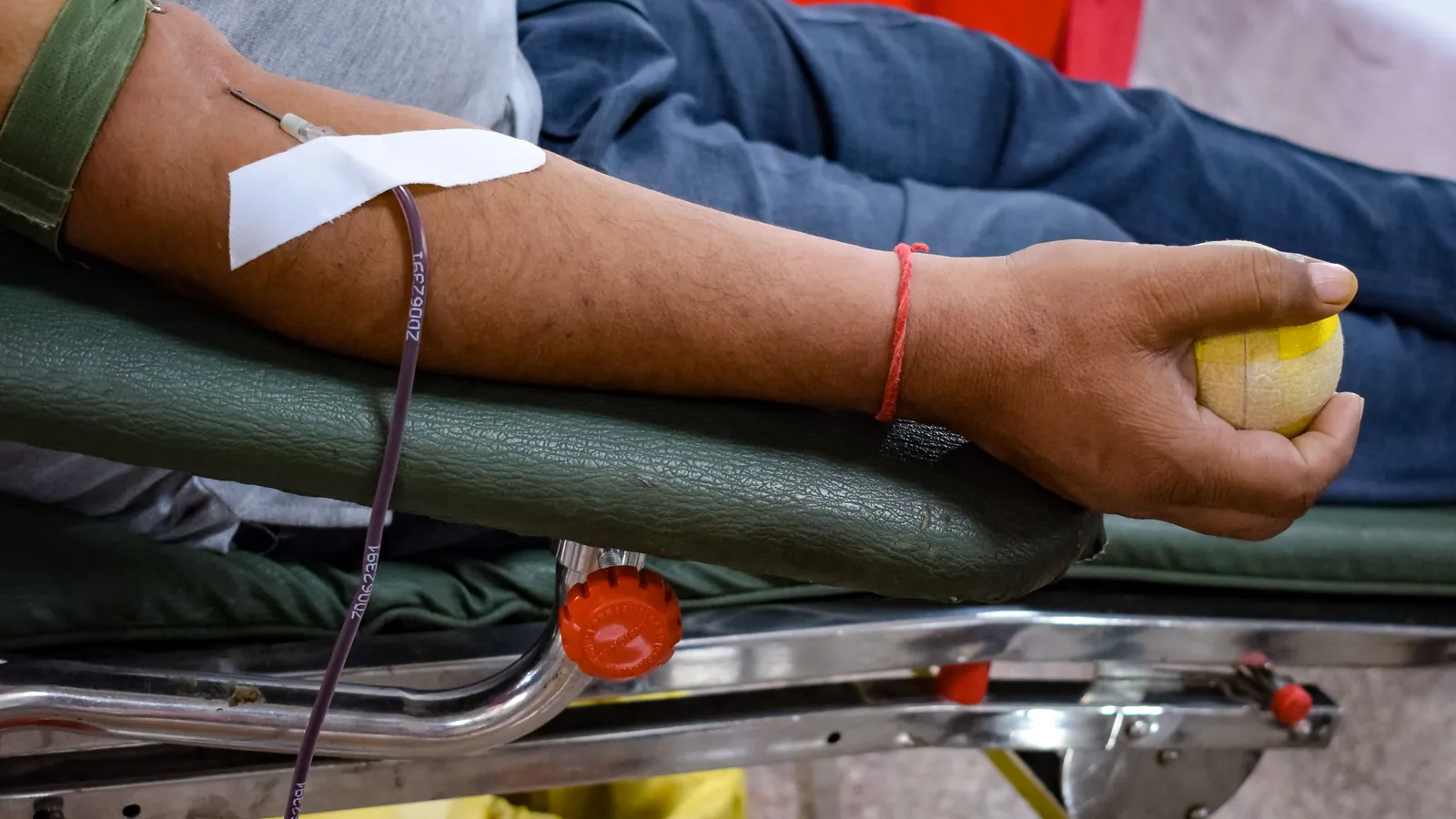
Ferritin is a protein that stores iron, so a ferritin test shows your iron stores. It is not a routine TRT test in either guideline. It comes up mainly when doctors look for the cause of low testosterone.
The AUA names iron tests as one of the extra tests that help more when LH is low or low-normal. It also lists iron overload (hemochromatosis) as a known cause of low testosterone from the pituitary gland.
Iron may also play a part in the rise in red blood cells on TRT. One review looked at erythrocytosis (too many red cells) caused by testosterone. It names iron handling and the hormone hepcidin among the possible causes.
Do not read this as a reason to test your iron yourself. It is a question for your prescriber, especially if your hematocrit is high. The ferritin page covers what the test shows and when it is useful.
Is bone density checked on TRT?
Bone density is measured with a DXA scan, a low-dose X-ray, not a blood test. The Endocrine Society measures it after 1 to 2 years of treatment in men with osteoporosis (thin, weak bones).
In a trial of 211 men aged 65 and over, a year of testosterone gel raised spine bone density more than placebo. The trial measured bone density and estimated bone strength, not fractures.
Have you had a fracture from a minor fall, or been told your bones are thin? Then ask whether a scan belongs in your plan.
When should you get TRT blood work done?
In outline, TRT blood work is a full set of tests before starting and a first follow-up at 3 to 6 months. Then comes another at 12 months, then once a year. Extra checks come after any change or when a result is close to a threshold.
The details live in our TRT lab schedule. It covers how to time a draw around your shots, morning draws and what changes at each step. The blood test timing planner helps you plan the dates.
The trough vs peak testosterone guide explains what each draw time shows.
How do you read your TRT lab results?
A result is only useful when you know what it is compared with. Each lab prints its own reference range, the span it calls normal. A number can be flagged “high” or “low” without meaning much.
The guide to how to read TRT lab results walks through a report line by line.
Three things move results that have nothing to do with your health:
- Timing. Testosterone on injections can differ a lot between a peak and a trough draw. The level calculator shows how your schedule shapes the curve between shots.
- The lab and the method. Each lab prints its own reference range. Estradiol results depend heavily on the method. Direct free testosterone immunoassays are seen as inaccurate.
- Short-term factors. Illness can pull testosterone down. Ejaculation or a long bike ride can nudge PSA up.
So compare like with like: same lab, same time of day, same point in your injection cycle. When something changes, such as a new lab or a new product, note it next to the result.
What other tests might your prescriber add?
Some clinics run broad panels. These include thyroid tests, blood sugar (A1c), kidney function, vitamin D, inflammation markers and more.
These are not part of TRT monitoring in the guidelines. They can still make sense for your overall health, and some overlap with yearly checkups.
Blood pressure is not a lab. But the FDA’s 2025 label changes expanded the warnings on it for all testosterone products. One current label asks prescribers to measure it from time to time.
Checking it at home between visits is easy. It gives your prescriber useful context.
Which extras you need is a decision for you and your prescriber. A longer panel is not automatically better. Every extra test can produce a borderline result that leads to more tests.
When should you call your prescriber between blood tests?
Do not wait for your next draw if you notice:
- Headaches, dizziness, flushing or blurred vision, which can come with a very high hematocrit.
- Trouble passing urine, a much weaker stream or blood in your urine.
- Breast tenderness or a lump.
- New swelling in your legs, or a big change in your blood pressure readings.
Get emergency help for chest pain, shortness of breath, sudden weakness or numbness on one side, trouble speaking or a painful, swollen leg. These can be signs of a heart attack, stroke or blood clot. Our guide to TRT side effects covers what to watch for in more detail.
What should you ask your prescriber about your lab plan?
- Which tests will you check, and how often?
- Which of my results are you watching most closely, and why?
- When do you want my blood drawn relative to my injection?
- Do I need to fast before any of these tests?
- Should estradiol, free testosterone or SHBG be added in my case?
- If fertility matters to me, what should we check before starting?
How can you keep all your TRT labs in one place?
Over a few years on TRT you will collect a lot of numbers from different labs, each with its own range. A result only becomes useful when you can see it next to the earlier ones and against the right range.
That is what TRTracker is for. Log a panel once and each marker sits on its own range. The time since your last shot is saved too, so you can compare like with like.
Start with the marker you are most curious about. That might be what a high hematocrit means, how estradiol is read or PSA changes from baseline.